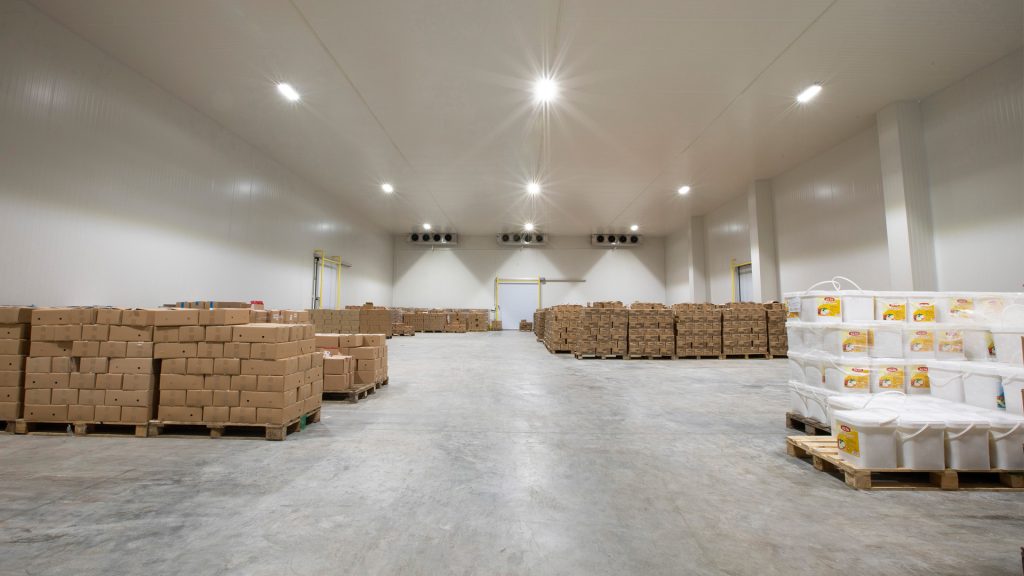

Cold storage is an integral part of cold chain logistics. Cold storage or refrigeration warehouses help make the process of transporting fresh and perishable goods around the world much easier. Today we’ll take a more in-depth look at what cold storage is, the different types available to you, and how this facility can benefit your business.
What is a Cold Storage Facility?
A cold storage facility is used to store any item that requires temperature control to ensure that the products do not spoil or violate local regulations and laws. There are various types of cold storage used by companies, including a specialized cold storage that is often used as a form of storage before goods are shipped from the company. On the other hand, the end user may also have their own cold storage to store the products they purchase before they need them. However, the most common cold storage option is a third-party logistics provider that offers a storage unit for temperature-controlled products before they are ready to be shipped to the end user.
Depending on their purpose, cold storages are classified as industrial, distributor (used for wholesale trade), port, hub and commercial (used for trade networks and food services). Industrial cold storage facilities are designed for cold processing and storage of chilled or frozen food products (chilling and freezing of FOOD products).
Such facilities may be parts of food processing businesses, such as meatpacking plants and dairy combines, or they may be independent businesses where poultry and eggs are supplied. Distribution cold storages aim to ensure a stable supply of seasonal food products to cities and industrial centers throughout the year. Such cold storages are often found in facilities that produce ice cream, dry ice or liquid carbon dioxide, or in facilities that package butter, for example. This type of complexes are called cold storage facilities.
Cold Storage Facility Types
There is also a wide variety of options when it comes to the type of storage facility used. These can be in the form of a single storage unit or form a group of cold storage. A cost-effective option is a refrigerated container, which is a good choice for a small number of items or a mobile storage solution. If you are looking for a larger option than this, you can upgrade to a cold room that will give you extra space. Explosive freezers and coolers are often used by large restaurants or catering services and provide a quick storage solution for food before it is served to the consumer. Hospitals will benefit from pharmaceutical-grade cold storage, and custom options are also available for businesses with special needs. For anyone looking to keep cold storage on-site, facility-attached storage is often the best bet, as products are taken directly from manufacturing to storage via a conveyor belt.
What are the Benefits of Using Cold Storage?
Cold storage is very useful, although it can be quite complicated and costly when you first start looking into it. Special facilities can be created for individual customers, allowing you to store your products at the required temperature to reduce waste. If you have complex requirements for your products, you may need a storage space and can minimize the costs associated with an on-site storage facility. When your temperature-controlled products are stored away from your facility, you will find that this can also free up space in your existing warehouse. The most important benefit to consider is the savings of this type of storage, as you will reduce the likelihood of spoilage that could cost your business a fortune over the months and years.